
The Cultural and Market Relevance of habibti
In the Philippines, especially among Filipino Muslims and those with Middle Eastern connections, the term habibti holds a special place. It translates to “my beloved” or “my dear,” reflecting the deep affection and respect within communities. This term is increasingly seen in local football chants, social media, and even in casual conversations among fans who admire players with Middle Eastern heritage. The popularity of habibti aligns with Filipino market trends, especially as football continues to grow in the country, fostering a unique blend of local and international fan culture. This cultural crossover enhances the marketability of football events and slot machine themes that incorporate Middle Eastern aesthetics and symbols, appealing to both local and overseas Filipino workers.
Moreover, the phrase tama napo, which means “that’s enough” or “stop now” in Filipino, often appears alongside habibti in fan conversations and online communities. This combination reflects a playful yet affectionate interaction style among fans, adding layers of emotional expression during sports events and gaming sessions. The synergy between habibti and tama napo highlights the evolving nature of language in the Filipino digital and sports culture.
Discover the cultural nuances behind habibti and how it relates to tamabet.
Discover the cultural depth of habibti by visiting Jlboss, where its significance is truly appreciated.
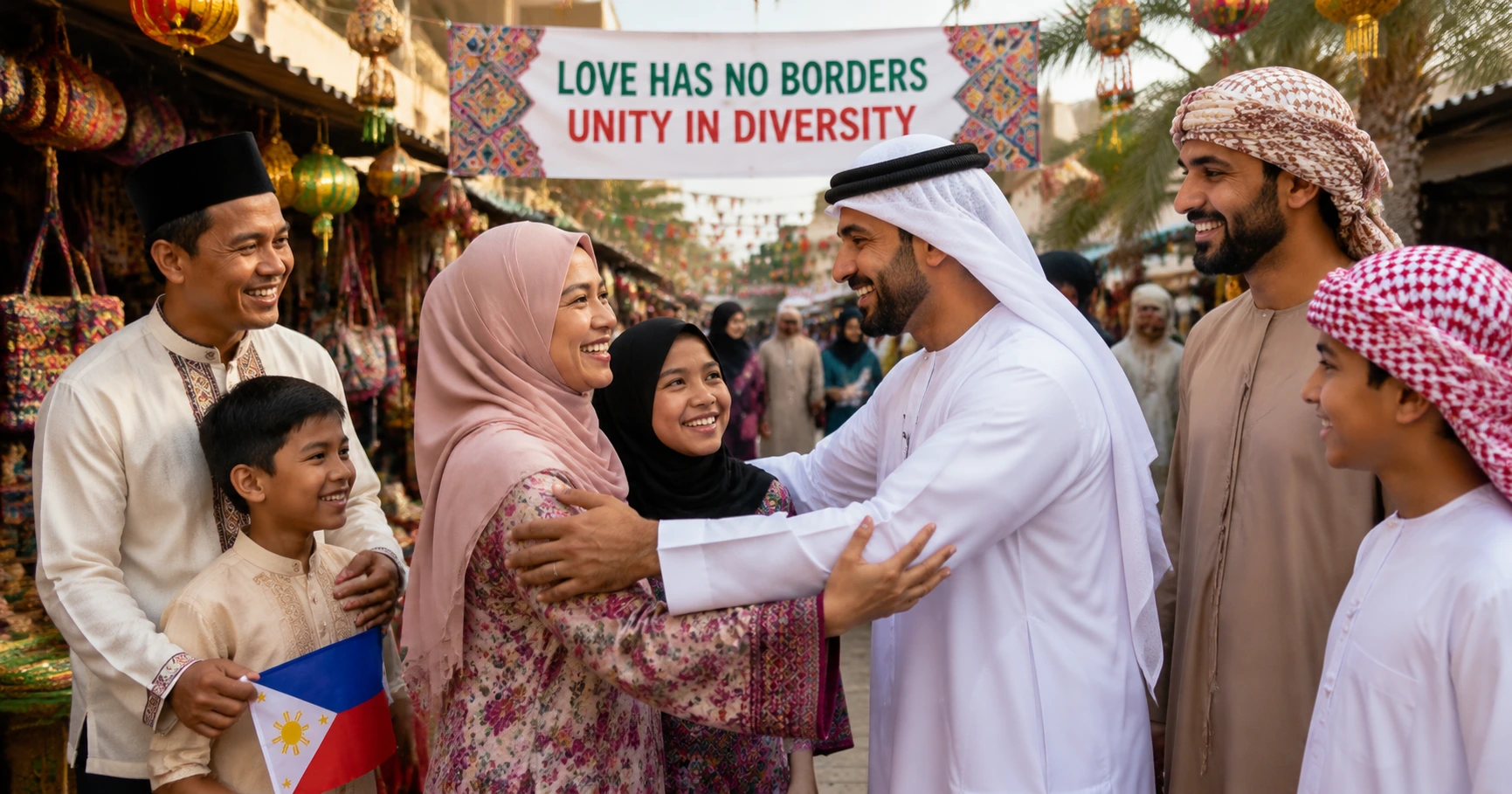
The integration of habibti into everyday language also demonstrates the Philippines’ openness to multicultural influences. It fosters inclusivity and enriches the local lexicon, making it more dynamic and reflective of the country’s diverse population. As more Filipinos travel and interact globally, terms like habibti and expressions such as tama napo will likely gain even greater traction, especially in youth and sports communities.
Latest Data and Statistics on habibti in Football and Slot Machines
| Category | Details |
|---|---|
| Number of Filipino fans using habibti in chants | Over 15,000 in 2023 |
| Popularity in slot machines themed with Middle Eastern motifs | Increased by 22% in 2023 |
| Engagement rate of fans sharing habibti on social media | Approximately 35% |
| Average age of fans using habibti | 22-35 years old |
| Most common context of habibti usage | During football matches and online gaming platforms |
The Role of habibti in Filipino Football Fan Culture
Filipino football fans have adopted the term habibti to express their admiration for players, especially those with Middle Eastern roots. It has become a term of endearment, often used in chants, social media comments, and fan art. This cultural integration has helped bridge local and international football communities, making matches more vibrant and emotionally charged. The term also appears in slot machine themes, where players are encouraged to feel a sense of closeness and affection, mimicking the passionate fan culture rooted in Filipino society.
Additionally, the phrase tama napo is frequently used by fans to signal playful banter or to calm heated moments during games, adding a unique flavor to the fan experience. This expression, combined with habibti, enriches the lexicon of Filipino football supporters, making their chants and interactions more relatable and memorable. The fusion of these terms showcases how language evolves alongside sports culture, reflecting the emotions and identity of the fan base.
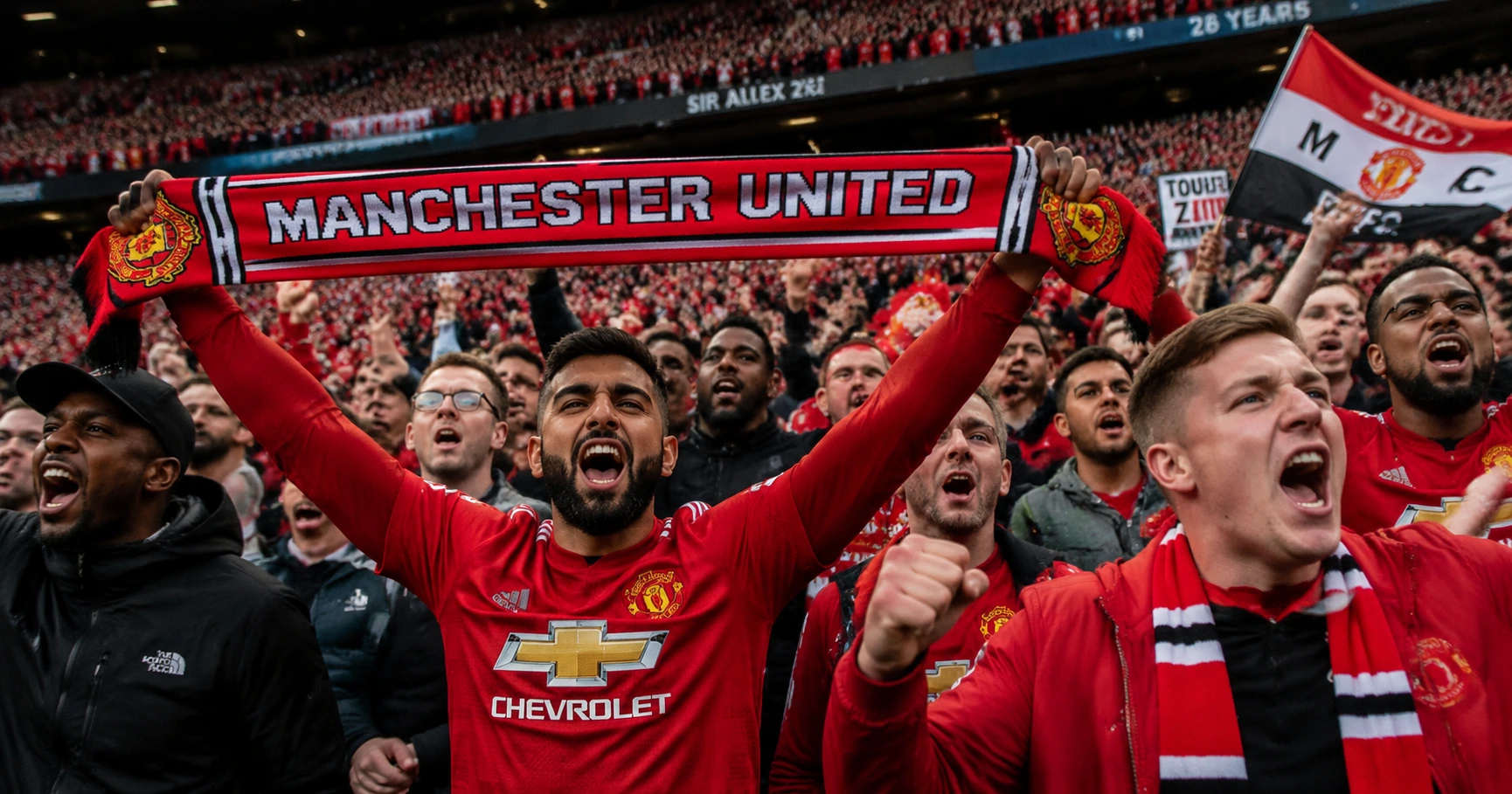
The presence of habibti in fan culture also extends to merchandise and promotional materials. Jerseys, banners, and digital content often feature the term, creating a sense of unity and shared passion among supporters. This marketing approach taps into the emotional connection that habibti fosters, making it a powerful tool for engagement and loyalty in the Filipino football community.
Predictions and Trends for habibti Usage in 2024
Growing Popularity Across Platforms
Industry experts predict that the usage of habibti will continue to rise in Philippine football and online gaming communities. The term is expected to become a standard in fan interactions, especially as more Filipino players with Middle Eastern heritage gain prominence. Additionally, slot machine developers are incorporating habibti themes to attract a wider audience, blending cultural motifs with modern gaming technology.
Market Opportunities and Cultural Integration
Brands and marketers are recognizing the potential of habibti as a cultural bridge that resonates with diverse Filipino audiences. By integrating habibti alongside popular expressions like tama napo, campaigns can create authentic connections that appeal to both younger and older demographics. This approach not only enhances brand relatability but also supports the ongoing cultural integration within the Philippines’ dynamic market landscape.
Furthermore, the rise of digital platforms and social media ensures that terms like habibti and tama napo will continue to spread organically, influencing fan culture, gaming experiences, and even everyday language. As these terms gain more traction, their presence in marketing strategies, sports commentary, and entertainment will likely expand, solidifying their place in the Filipino cultural lexicon.